Circular Economy Strategies in the Construction Industry for Enhancing Sustainability and Reducing Environmental Impacts
This study aimed to systematically identify and analyze circular economy strategies in the construction industry and develop an integrated strategic framework for enhancing environmental sustainability, improving resource efficiency, and reducing waste generation through the transition from linear to circular construction systems. This research employed a qualitative systematic review design. Relevant scientific articles, policy documents, review studies, and international reports addressing circular economy implementation in the construction sector were identified and selected through a structured literature review process. The collected documents were analyzed using qualitative content analysis. Through iterative coding and thematic synthesis, major strategic categories, implementation barriers, institutional drivers, sustainability outcomes, and managerial implications associated with circular construction were identified and integrated into a comprehensive conceptual framework. The analysis revealed four major thematic dimensions governing the transition toward circular construction. First, macro-level circular strategies were classified into waste prevention, design for durability, design for disassembly, material reuse, advanced recycling, circular supply chains, digital material management, and service-based business models. Second, implementation barriers included information asymmetry, fragmented governance structures, regulatory complexity, insufficient market transparency, and limited institutional coordination, while government support, financial incentives, technological innovation, stakeholder collaboration, and public awareness emerged as key institutional drivers. Third, circular economy implementation demonstrated substantial positive effects on environmental sustainability indicators, including carbon footprint reduction, resource conservation, waste minimization, landfill diversion, improved energy efficiency, and enhanced urban environmental quality. Fourth, the synthesis of findings resulted in an integrated strategic conceptual framework in which digital infrastructure, institutional capacity, economic incentives, and technical strategies operate synergistically to facilitate circular economy adoption and long-term sustainability within the construction industry. The findings indicate that successful implementation of circular economy principles in the construction industry requires an integrated and systemic approach that combines strategic planning, supportive governance, technological innovation, economic incentives, and stakeholder collaboration. Circular construction represents not only an environmental necessity but also a strategic pathway toward sustainable resource management, enhanced competitiveness, and long-term resilience. The proposed conceptual framework provides a practical roadmap for policymakers, managers, and industry stakeholders seeking to accelerate the transition toward a sustainable and circular built environment.
An Intelligent System for Automatic Evaluation and Reporting of Vehicle Accidents Based on EfficientNet Model and CBAM Attention Mechanism
Road traffic accidents remain a critical challenge in road safety, where rapid detection and accurate severity assessment play a vital role in reducing fatalities. This study presents an intelligent system for the automatic evaluation of vehicle accidents based on the EfficientNet-B0 model enhanced with the Convolutional Block Attention Module (CBAM). The primary objective is to overcome the severe class imbalance issue, particularly in the “low-risk” class, and to improve detection accuracy under real-world conditions. The proposed architecture consists of two main modules: a multi-task convolutional neural network for accident detection and severity classification, and a YOLOv8-Nano module for real-time fire and smoke identification. To address data imbalance, a combined strategy involving external data augmentation, oversampling, and an eight-stage training pipeline was employed. Experimental evaluation on the Accident Images Analysis dataset demonstrated that adding the CBAM mechanism led to a 38% improvement in the F1-score of the minority class. The final system achieved an accuracy of 94% in accident detection and 74% in severity classification (with a Macro F1 score of 0.61). Comparison with Pashaei et al. (2020) on the public version of the dataset showed a 4.49% improvement in the Macro F1 metric. The results confirm that integrating attention mechanisms with efficient architectures and smart data management significantly enhances the performance of emergency response support systems.
Comparison of the Performance of a Three-Layer LSTM Model with Classical Algorithms in Sentiment Analysis of Persian Texts in the Automotive Industry
In the field of business, sentiment analysis is considered an effective tool for monitoring customer feedback, improving decision-making processes, and enhancing product quality. This study aimed to evaluate the efficiency of different sentiment analysis methods by comparing the performance of a deep learning model based on a three-layer Long Short-Term Memory (LSTM) recurrent neural network with four classical machine learning algorithms, including Linear Support Vector Machine (Linear SVM), Naive Bayes, Multilayer Perceptron (MLP), and Decision Tree. The research data consisted of real user reviews regarding domestic automobiles, which were utilized for model training and evaluation after standard preprocessing procedures. The findings indicated that among the classical algorithms, the Linear SVM model achieved the best performance with an accuracy of 0.90, followed by the MLP model with an accuracy of 0.88, whereas the Naive Bayes and Decision Tree models demonstrated the weakest performance. Compared with these methods, the three-layer LSTM model significantly outperformed the other approaches by achieving an accuracy of 95.4%. This superiority can be attributed to the capability of the LSTM architecture to learn temporal dependencies, capture the sequential structure of sentences, and extract deeper semantic relationships.
Predicting the Financial Performance of Startups Using Reinforcement Gradient Algorithms and Model Explainability Analysis Based on Shapley Value Indicators
The objective of this study was to predict the financial performance of startup firms using a reinforcement gradient learning algorithm while explaining model predictions through Shapley value–based explainable artificial intelligence indicators. This applied quantitative study employed a predictive analytics design integrating machine learning and explainable artificial intelligence. The statistical population consisted of technology-oriented startups operating in Tehran, from which 162 active startups were selected through purposive sampling based on operational continuity, financial transparency, and data availability. Financial and operational data covering the period 2019–2023 were collected from audited reports, accelerator databases, and innovation ecosystem records. The dependent variable was a composite financial performance index derived from revenue growth, profitability, cash flow stability, and investment efficiency measures. Independent variables included digital engagement, innovation investment, funding diversity, organizational growth indicators, and human capital characteristics. Data preprocessing involved normalization, missing value imputation, and outlier adjustment. A reinforcement gradient algorithm was developed for prediction and optimized using cross-validation procedures. Model interpretability was examined through Shapley value analysis to quantify the contribution of each predictor to financial performance outcomes. Results indicated that the reinforcement gradient model achieved high predictive accuracy (R² = 0.89) and significantly outperformed traditional regression and ensemble learning approaches. Shapley value analysis revealed that revenue growth rate, digital engagement, research and development investment, and funding diversification were the strongest contributors to predicted financial performance. The model demonstrated stable generalization across validation samples, confirming the effectiveness of reinforcement learning in capturing nonlinear relationships among entrepreneurial, financial, and technological variables. Explainability results further showed heterogeneous performance pathways among startups, indicating that successful financial outcomes emerged from integrated combinations of innovation capability, digital maturity, and strategic resource management rather than single-factor effects. The findings demonstrate that combining reinforcement gradient algorithms with explainable artificial intelligence provides a powerful and transparent framework for forecasting startup financial performance, offering valuable insights for investors, entrepreneurs, and policymakers seeking evidence-based decision support in dynamic entrepreneurial ecosystems.
The Role of Social Capital in Promoting Administrative Health and Transparency in Iranian Governmental Organizations: A Case Study of the General Directorate of Education of Tehran City
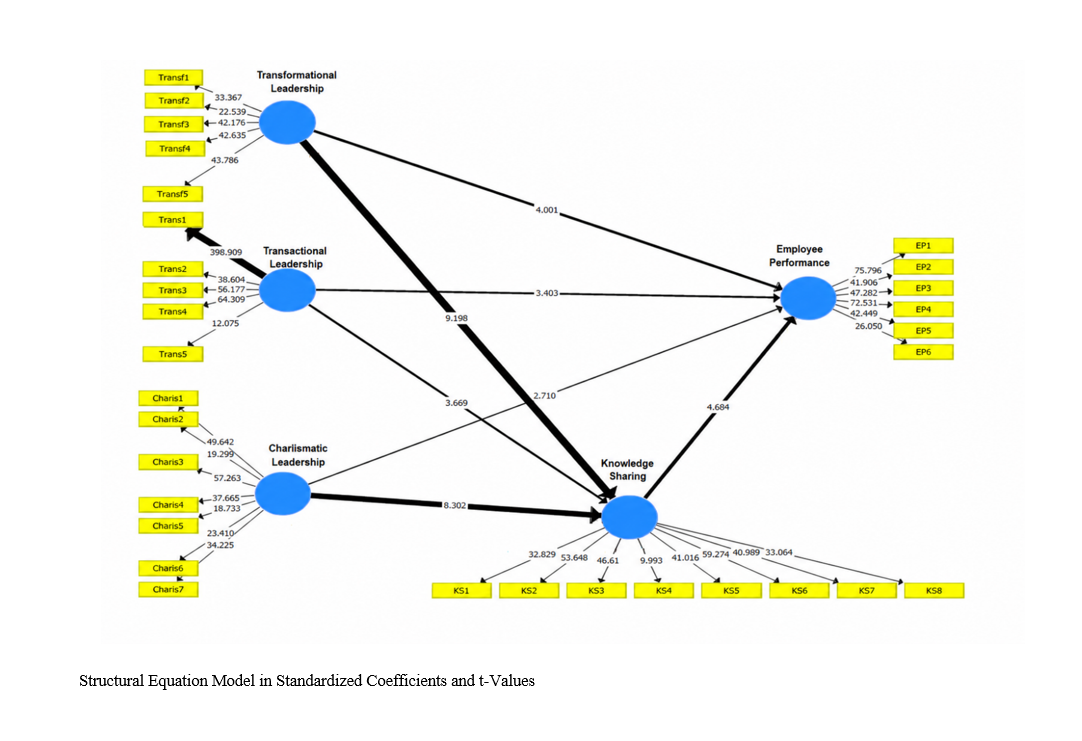
The present study aimed to investigate the role of social capital in promoting administrative health and transparency, considering the mediating role of organizational health in the General Directorate of Education of Tehran City. In terms of purpose, this research was applied, and regarding the method of data collection, it was a descriptive-survey study of a correlational nature. The statistical population consisted of all employees and managers of the General Directorate in 2025, from whom 400 participants were selected through stratified random sampling. The research instrument was a standardized questionnaire comprising the dimensions of social capital (structural, relational, and cognitive), organizational health, administrative health, and transparency, whose validity and reliability were confirmed. Data were analyzed using Structural Equation Modeling (SEM) and SmartPLS software. The findings indicated that all research hypotheses were supported. Social capital had a strong and positive effect on organizational health (β = 0.65). Furthermore, organizational health exerted a significant direct effect on administrative health (β = 0.58) and transparency (β = 0.52). The results of the mediation analysis using the bootstrap method revealed that organizational health functioned as a full mediating variable, such that a substantial portion of the effect of social capital on administrative health (indirect effect = 0.38) and transparency (indirect effect = 0.34) was transmitted through this pathway. The direct effects of social capital on these two variables were weaker but remained statistically significant. Among the dimensions of social capital, the relational dimension (trust and norms) emerged as the strongest predictor of organizational health. Therefore, it can be argued that a fundamental strategy for enhancing administrative health and transparency in governmental organizations is the deliberate strengthening of social capital, particularly through trust-building and the development of collaborative networks. By improving overall organizational health, such investment provides the necessary foundation for the spontaneous and sustainable emergence of healthy and transparent administrative behaviors. The findings of this study underscore the necessity of shifting from purely control-oriented approaches toward a paradigm of capacity-building and internal trust in Iran’s public administration.
The Impact of External Debt Shocks on Sustainable Economic Growth: Emphasizing Trade Openness and the Rule of Law in Developing Countries
This study investigates the shock effects of external debt on sustainable economic growth, with particular emphasis on the roles of trade openness, institutional quality, and the rule of law in developing countries. Although external debt is recognized as an important financing instrument for compensating for domestic resource shortages and implementing development projects, its effects on sustainable economic growth are highly dependent on the institutional environment, regulatory frameworks, and economic structures of countries. In this study, panel data from ten selected countries, including Algeria, Bahrain, Egypt, Iraq, Iran, Jordan, Kuwait, Oman, Saudi Arabia, and the United Arab Emirates, covering the period from 2000 to 2024, were utilized. The sustainable economic growth index was measured based on the World Bank Sustainable Development Indicator. Explanatory variables included external debt, institutional quality, regulatory quality, the rule of law, financial development, trade openness, inflation rate, government budget deficit, and population growth rate. To analyze the short-run and long-run relationships among the variables, the Panel Vector Autoregression (PVAR) econometric approach was employed. In the first stage, the stationarity of the variables was examined using the ADF–Fisher panel unit root tests. The results indicated that all variables were stationary at level. After determining the optimal lag length, the PVAR model was estimated, and an error correction framework was employed to investigate short-run dynamics. The estimation results reveal that external debt exerts a negative and statistically significant effect on sustainable economic growth in the selected countries. In contrast, institutional quality, regulatory quality, the rule of law, financial development, and trade openness have positive and statistically significant effects on sustainable economic growth. Furthermore, inflation and government budget deficits, as sources of macroeconomic instability, impose significant negative effects on sustainable development. The error correction coefficient is negative and statistically significant, indicating the gradual adjustment of short-run disequilibria toward long-run equilibrium. Variance decomposition results further demonstrate that, over medium- and long-term horizons, shocks originating from external debt account for a substantial proportion of fluctuations in sustainable economic growth. Overall, the findings suggest that the impact of external debt on sustainable economic growth is not solely determined by the volume of debt but also depends on institutional quality, regulatory frameworks, and the degree of economic openness. Strengthening the rule of law, improving institutional and regulatory quality, promoting financial development, and adopting open trade policies can mitigate the adverse effects of external debt and facilitate the achievement of sustainable economic growth in developing countries.
Estimating the Reliability Model of Supply Centers in Green Value Chain Management of Manufacturing Industries Using the System Dynamics Approach
The present study was conducted with the aim of estimating a reliability model for supply centers in the green value chain management of manufacturing industries using the system dynamics approach. In terms of purpose, this research is applied, and in terms of nature, it is a descriptive–analytical study. Initially, through a systematic review of the literature, document analysis, and expert consultation, the variables influencing the reliability of the green value chain were identified. Subsequently, the Fuzzy Delphi technique was employed to screen the identified indicators. The results of this stage revealed that ten components—environmental sustainability, operational efficiency, social and ethical responsibility, green innovation management, traceability and transparency, environmental risk management, culture-building and training, policymaking and regulatory compliance, utilization of advanced technologies, and the economic viability of green activities—obtained crisp values above the acceptance threshold and were therefore retained in the final model. Based on these components, the conceptual research model was developed using causal loop diagrams and subsequently transformed into a stock-and-flow model, which was simulated in the Vensim software environment. The modeling results demonstrated that interactions among variables, through reinforcing and balancing feedback loops, shape the dynamic behavior of green value chain reliability. Among these, the “green innovation and sustainability,” “policymaking and environmental risk,” “training, culture, and responsibility,” “economic viability and technology adoption,” and “transparency and supply chain reliability” loops were identified as the most influential feedback structures. Scenario analysis further indicated that strengthening environmental risk management, promoting green innovation, increasing the adoption of advanced technologies, improving transparency, and enhancing organizational culture can contribute to improved environmental sustainability, increased operational efficiency, and greater economic viability of green activities. Moreover, the structural validity of the model was examined and confirmed through boundary adequacy tests, structure assessment, extreme-condition tests, integration error analysis, behavior reproduction tests, and sensitivity analysis. Overall, the findings indicate that the reliability of supply centers within the green value chain is a multidimensional and dynamic phenomenon whose enhancement requires a systemic perspective, coordination among technological, economic, environmental, social, and institutional dimensions, and the implementation of integrated managerial policies.
Performance and Viability of Lightweight Slag-Based Alkali-Activated Cement (SAAC) as an Eco-Friendly Alternative to API Oil Well Cement
This study aimed to develop and evaluate a lightweight slag-based alkali-activated cement (SAAC) system as a sustainable alternative to conventional API Class G oil well cement and to assess its engineering performance under laboratory conditions relevant to oil and gas well cementing operations. An experimental laboratory study was conducted using ground granulated blast furnace slag activated by alkaline solutions containing sodium hydroxide, sodium silicate, and sodium metasilicate. Both two-component and powdered SAAC systems with different Blaine fineness values (2900 and 4200 cm²/g) were designed and evaluated. A series of ASTM and API-standard tests were performed, including setting time, compressive strength, flexural strength, autoclave expansion, slurry density, thickening time, free-water measurement, ultrasonic compressive strength development, and scanning electron microscopy (SEM). Optimized mixtures were further modified with microsilica and compared directly with conventional API Class G oil well cement under elevated temperature and pressure conditions. The results demonstrated that increasing slag fineness significantly reduced setting time and enhanced compressive strength. Two-component SAAC formulations generally exhibited higher compressive strength than powdered systems, although both achieved strengths comparable to or exceeding those of Portland and Class G oil well cements. Optimized SAAC mixtures showed continuous strength development over time, acceptable autoclave expansion values, and favorable flexural performance. Under API testing conditions, the selected SAAC formulations achieved thickening times within the acceptable operational range and produced no measurable free water. The microsilica-modified SAAC mixture exhibited superior early-age and long-term compressive strength compared with Class G cement. Ultrasonic strength measurements further indicated faster strength development and greater compressive resistance under high-temperature and high-pressure curing conditions. SEM observations confirmed a denser microstructure with fewer cracks in the optimized SAAC formulations, supporting the observed mechanical performance. The developed slag-based alkali-activated cement satisfied key API performance requirements and demonstrated superior environmental and engineering characteristics compared with conventional oil well cement. The optimized SAAC system showed excellent mechanical strength, adequate thickening behavior, negligible free-water production, and enhanced performance under elevated temperature and pressure conditions, indicating strong potential as a sustainable substitute for conventional oil and gas well cement.
About the Journal
Management Strategies and Engineering Sciences (MSES) is a cutting-edge, interdisciplinary academic journal committed to advancing the fields of management, engineering, and related sciences. It seeks to publish high-quality, original research that bridges the gap between theory and practice, offering insights that contribute to both academic knowledge and industry applications. As an open-access journal, MSES ensures that all published articles are freely available to the global community without any subscription or access fees. This open-access model promotes greater dissemination and visibility of research findings, supporting a more inclusive and equitable scholarly environment.
MSES is dedicated to upholding the highest standards of scholarly publishing. The journal operates under a double-blind anonymous peer-review process, ensuring the integrity, objectivity, and quality of the research it publishes. This rigorous review system involves at least two or three expert reviewers for each submitted manuscript, who provide critical feedback to help authors refine and strengthen their work.
MSES publishes articles across a range of topics, including but not limited to management strategies, industrial and systems engineering, production management, engineering sciences, business operations, and technological innovation. The journal is indexed in several reputable databases and archiving services, ensuring that published works are preserved and widely accessible for years to come. With a commitment to fostering cross-disciplinary collaboration and innovation, MSES serves as a valuable resource for scholars, practitioners, and policymakers alike.